Burial Grounds
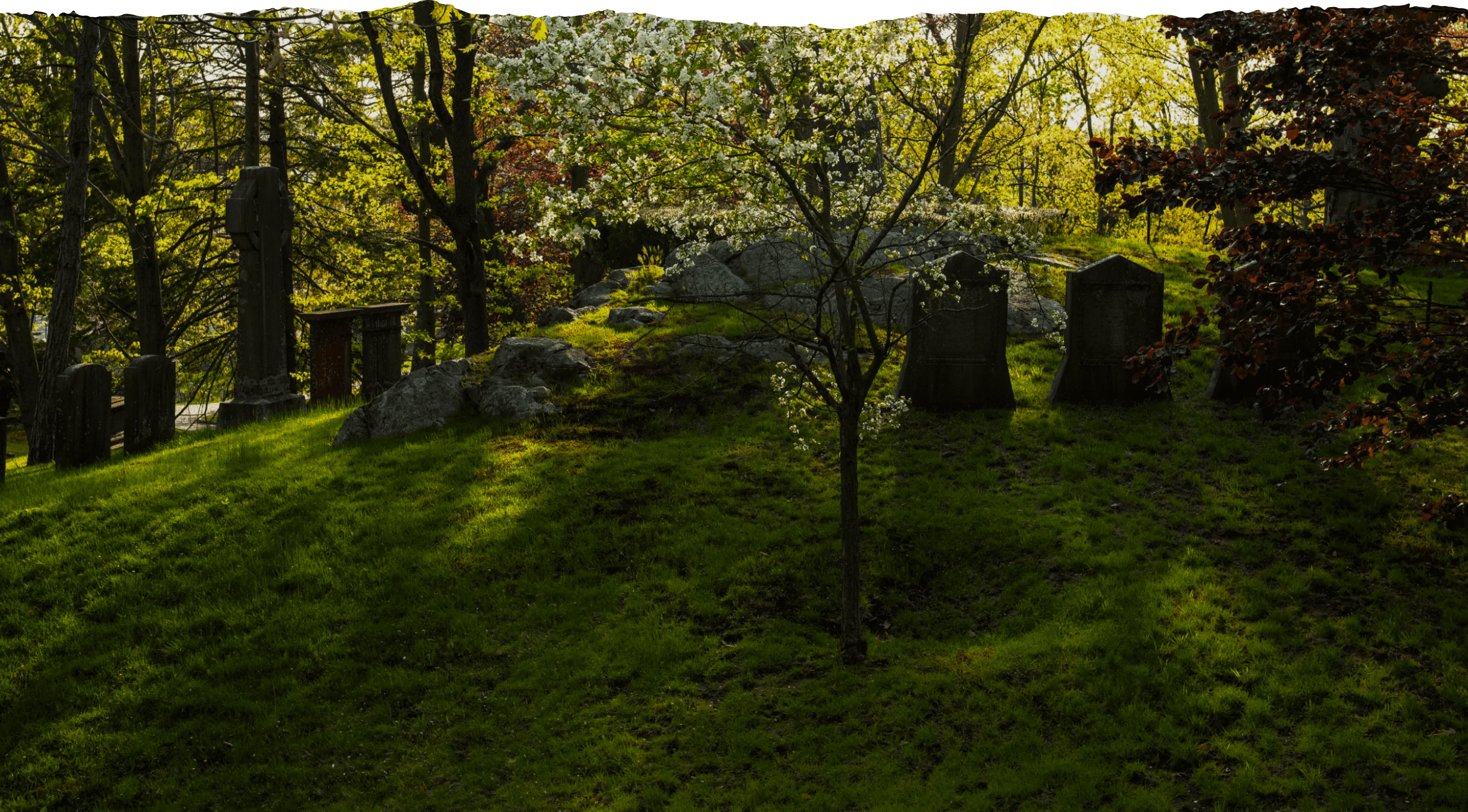
A rural garden cemetery incorporated in 1840.
Cemetery Grounds
Harmony Grove Cemetery was influenced in part by the limited space and crowded state of the city's burial grounds. The idea of establishing a “rural” cemetery in Salem was first suggested in 1837 by Col. Francis F. Peabody. As an amateur architect, he was inspired to organize a rural cemetery in Salem.
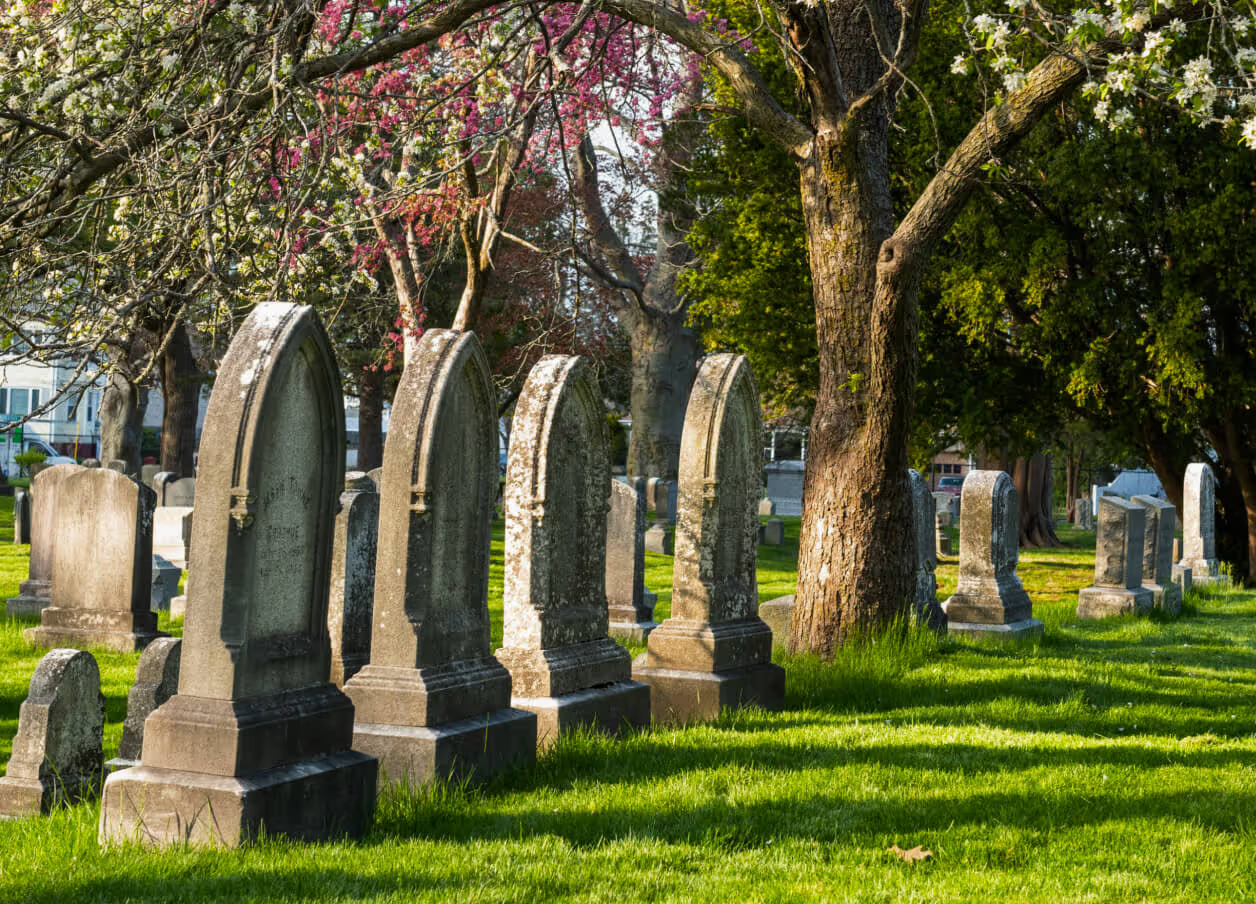
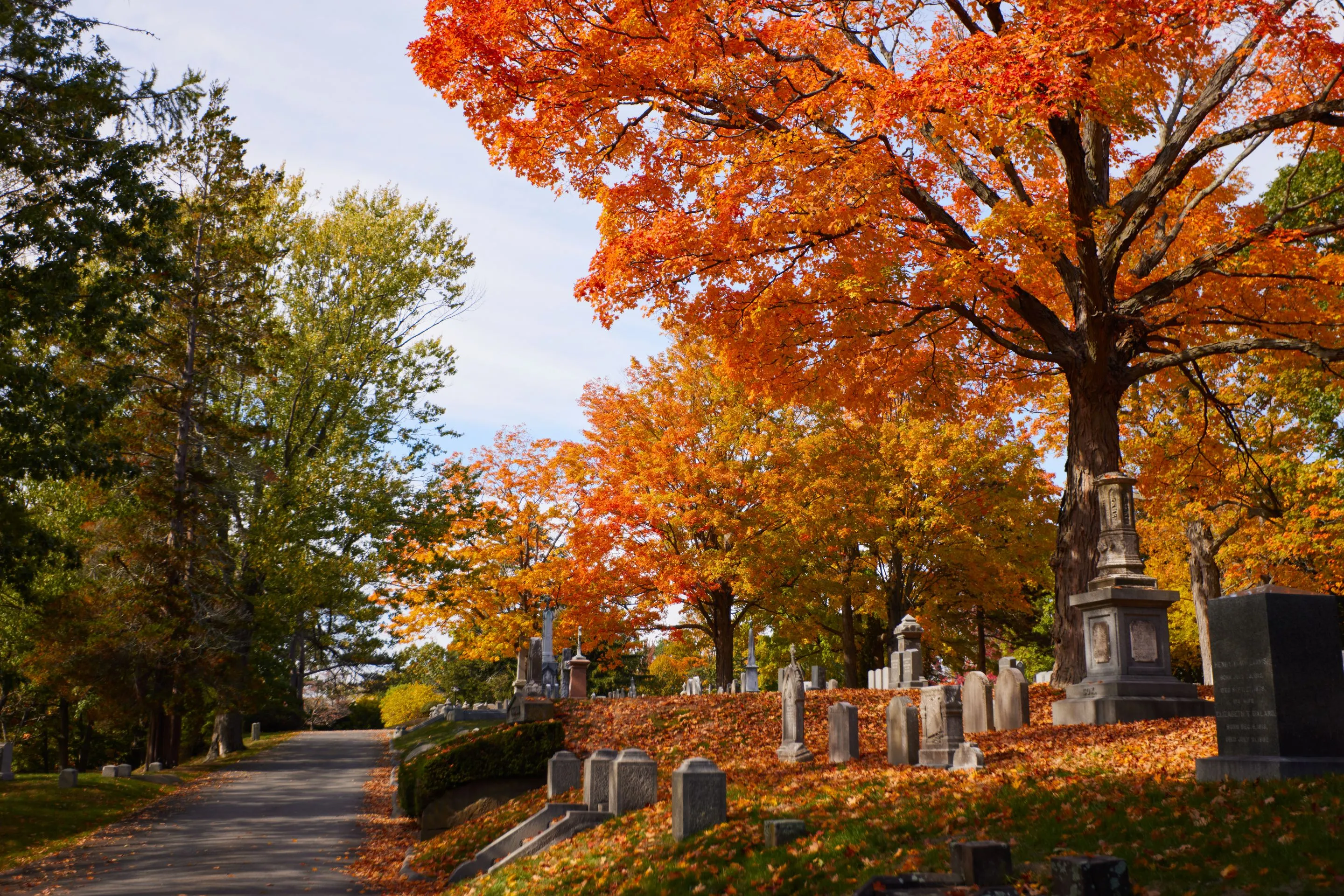
One of its most striking features is the parklike setting. Over a thousand trees are scattered across the grounds, providing shade, natural beauty, and habitat for wildlife. A complete inventory of these trees has been completed, which will help guide their care and preserve the founders’ vision of the cemetery as a living arboretum.
There is a noticeable contrast between the older and newer sections. The older areas follow the 19th-century Rural Cemetery movement, which aimed to work with the land’s dramatic natural slopes to create varied and scenic experiences. The newer sections are simpler, reflecting the later Lawn Cemetery style, with more open, organized layouts.
The most dramatic landmark is a massive rock outcrop that rises more than 40 feet above the entrance. A grassy path runs along its crest, lined with mausoleums, and offers a striking overlook of the grounds below.
In the highest areas, the cemetery’s founders carved terraced plateaus into the hillsides. These terraces created orderly family plots with sweeping views. In contrast, the lower terrain feels more natural and untamed, with paths that shift from open ridge-top overlooks to shaded valleys that feel enclosed by nature.
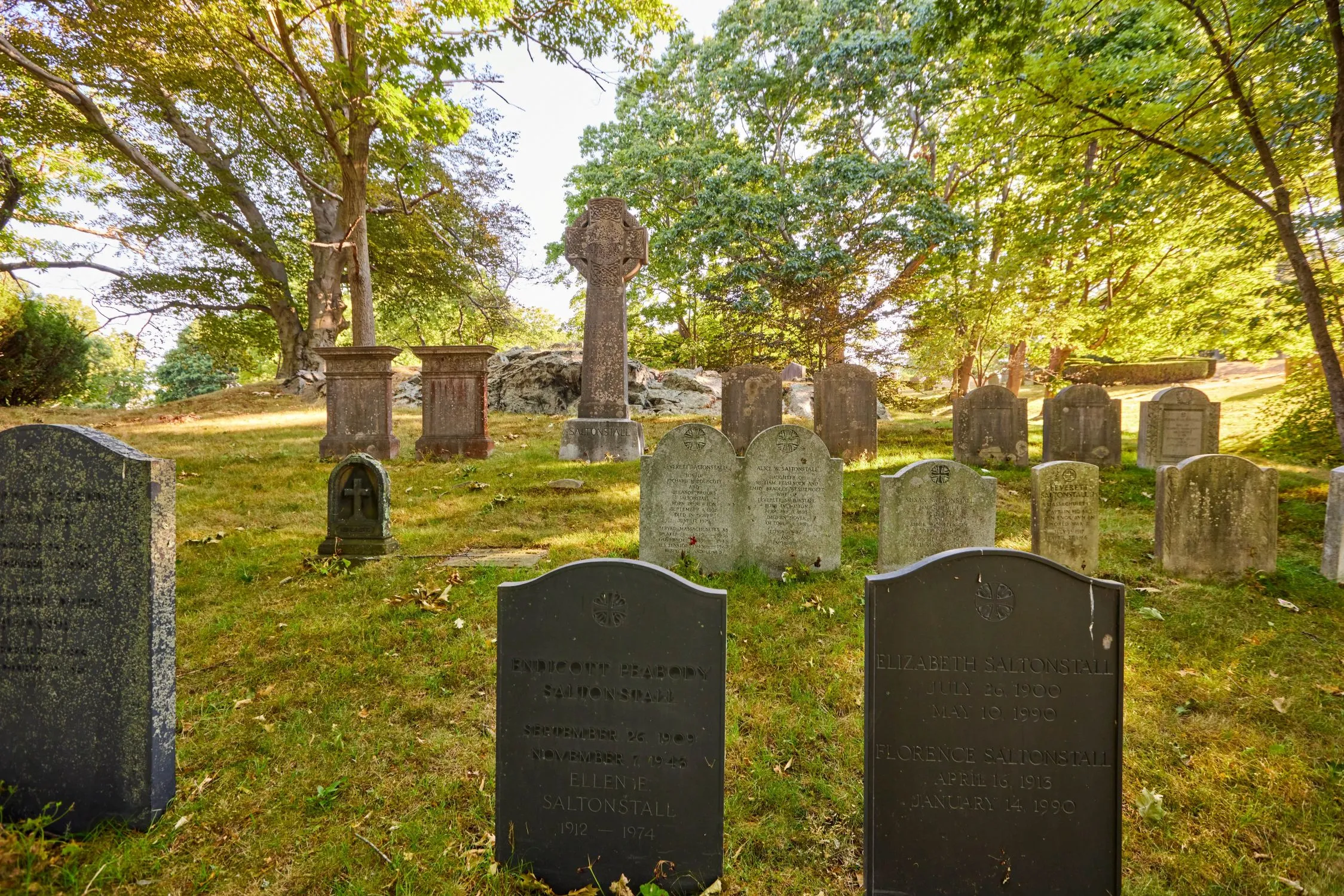
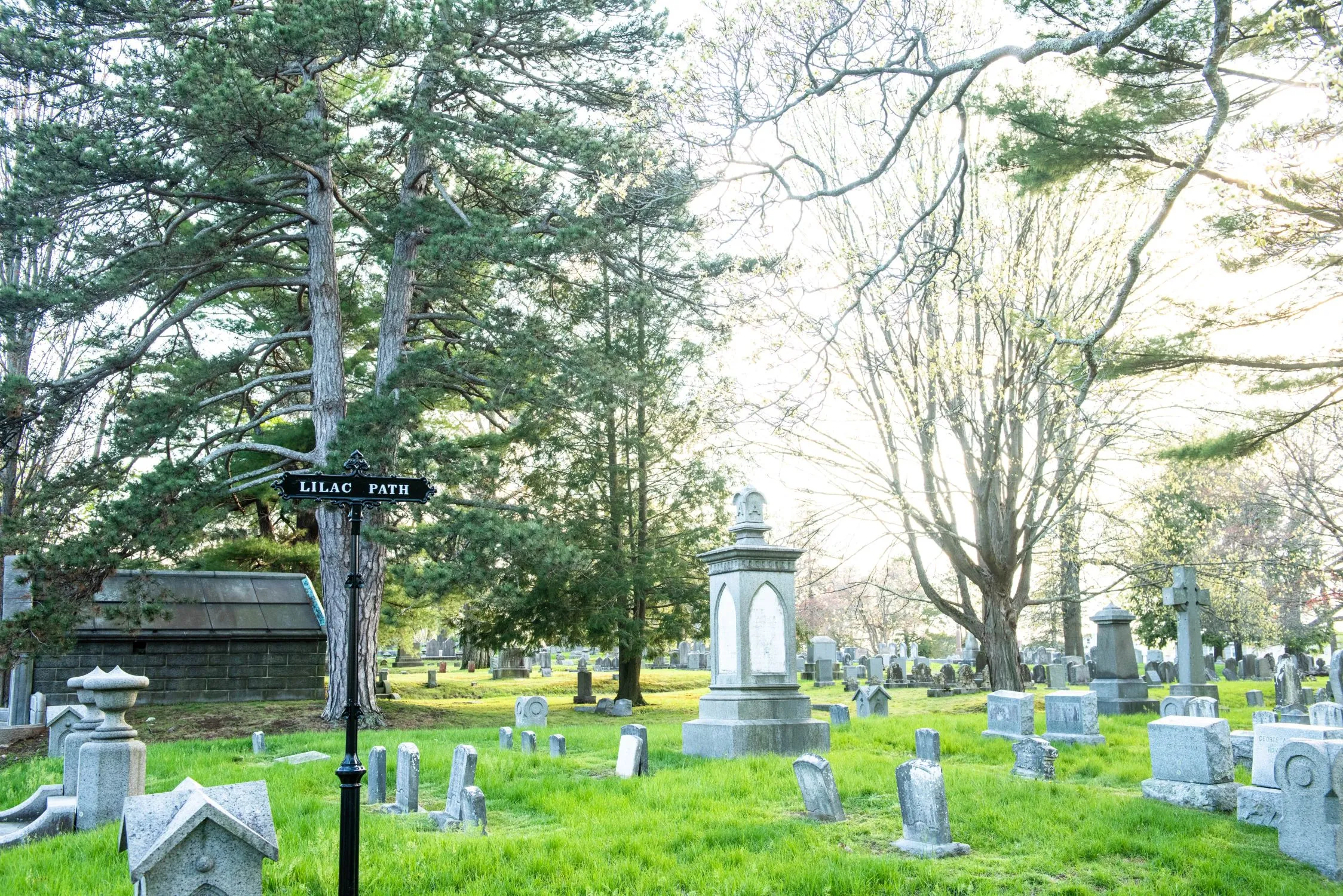
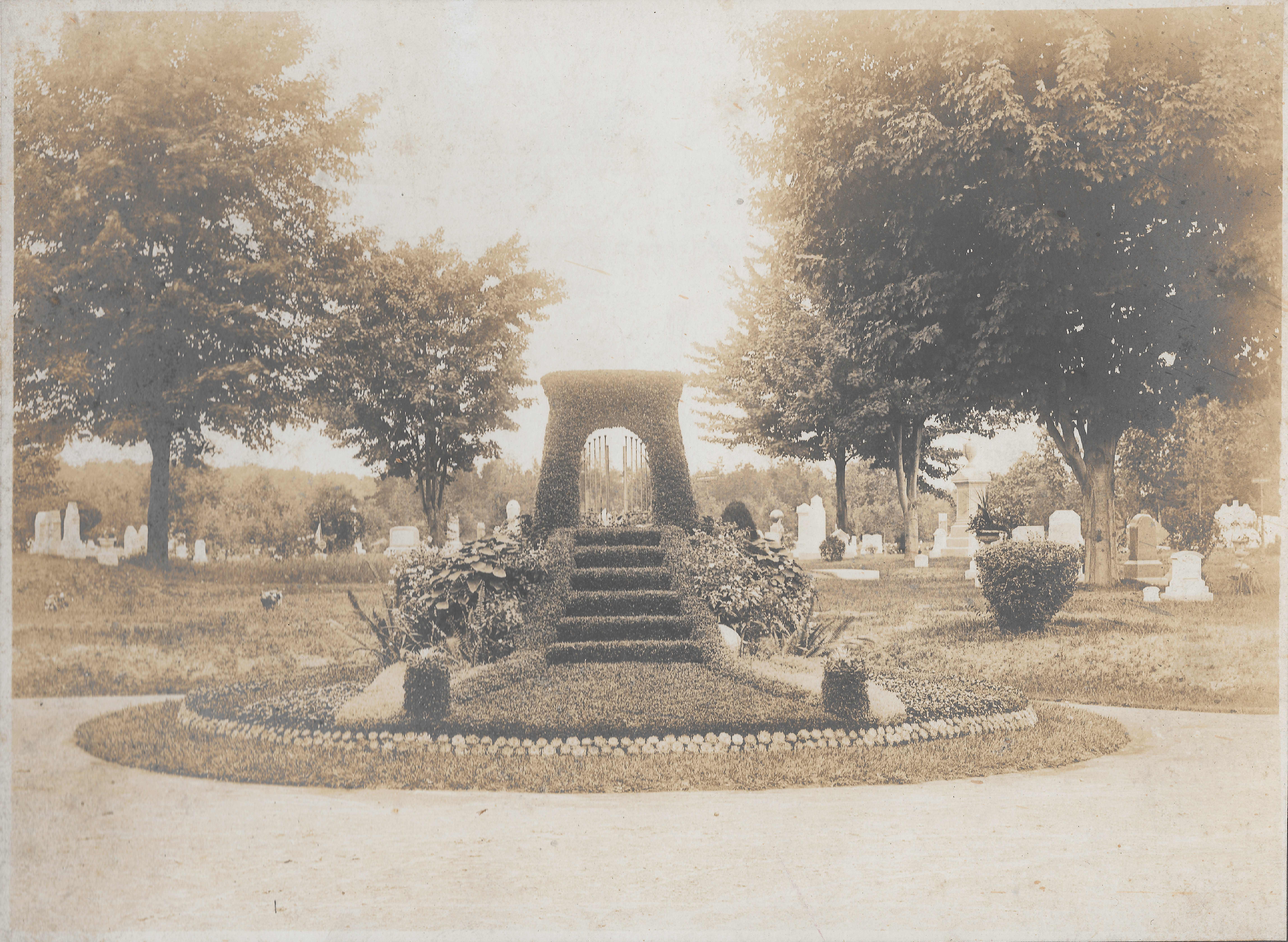
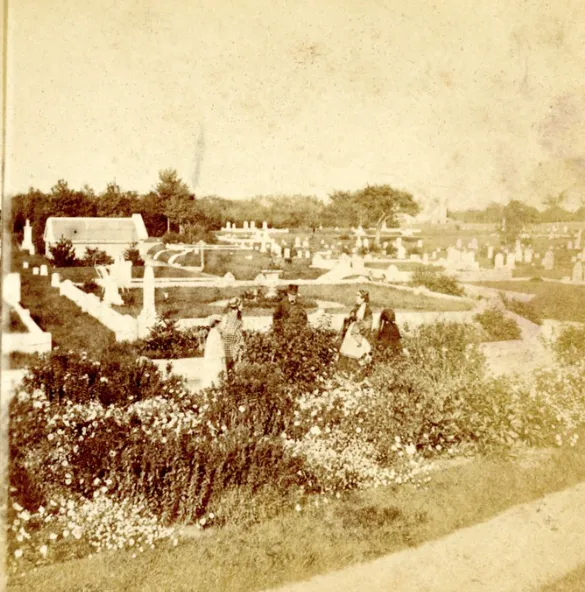
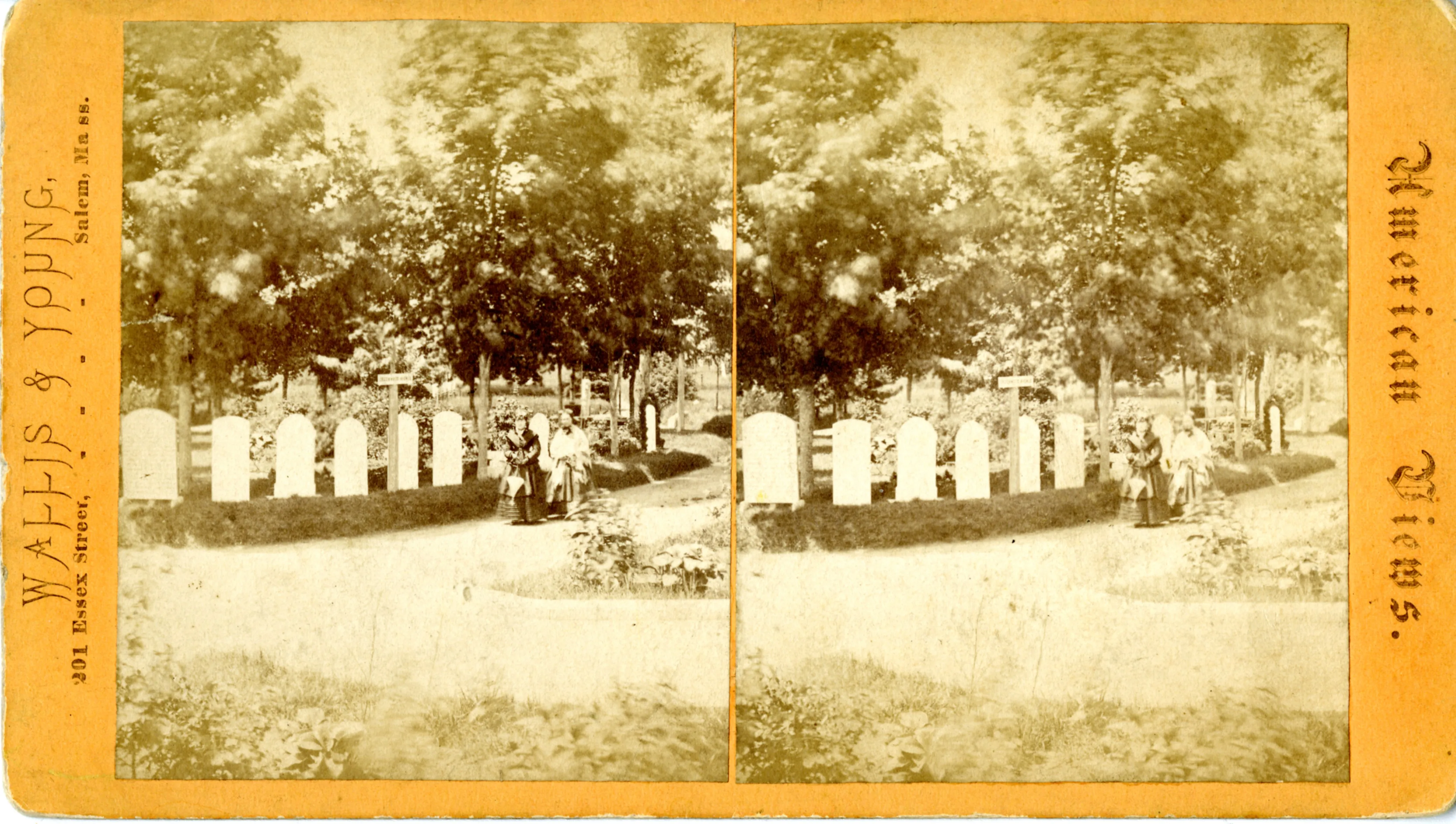
John P. Tilton, View of Harmony Grove Cemetery. Photo courtesy of Salem State University Digital Collections, Salem State University, Salem, MA.
Prominent Monuments & Memorials
Harmony Grove’s picturesque landscape is a beautiful setting for grave monuments that accentuate high points and overlooks or nestle along the shady vales and meandering paths.
Among the most notable memorials are:
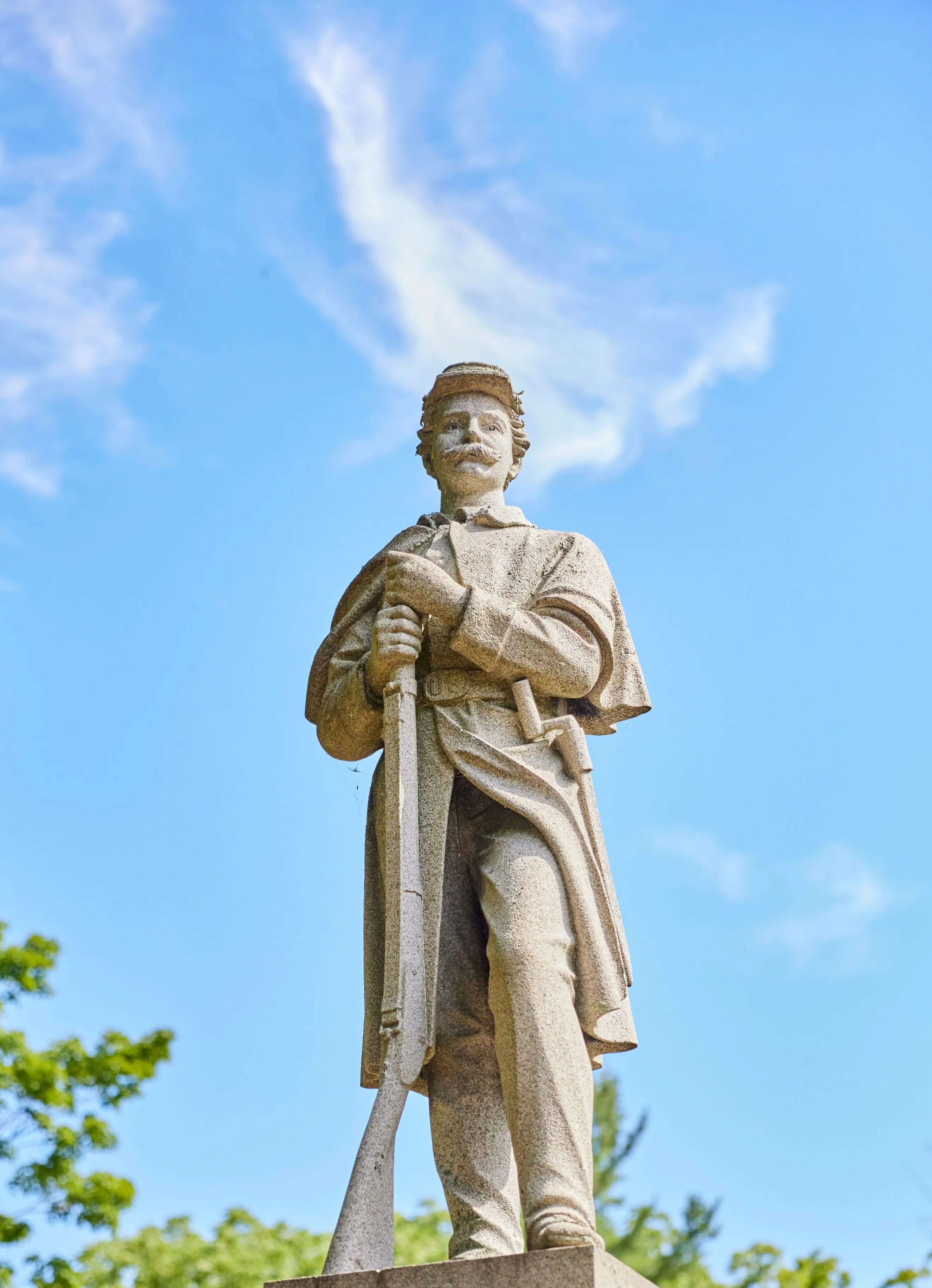
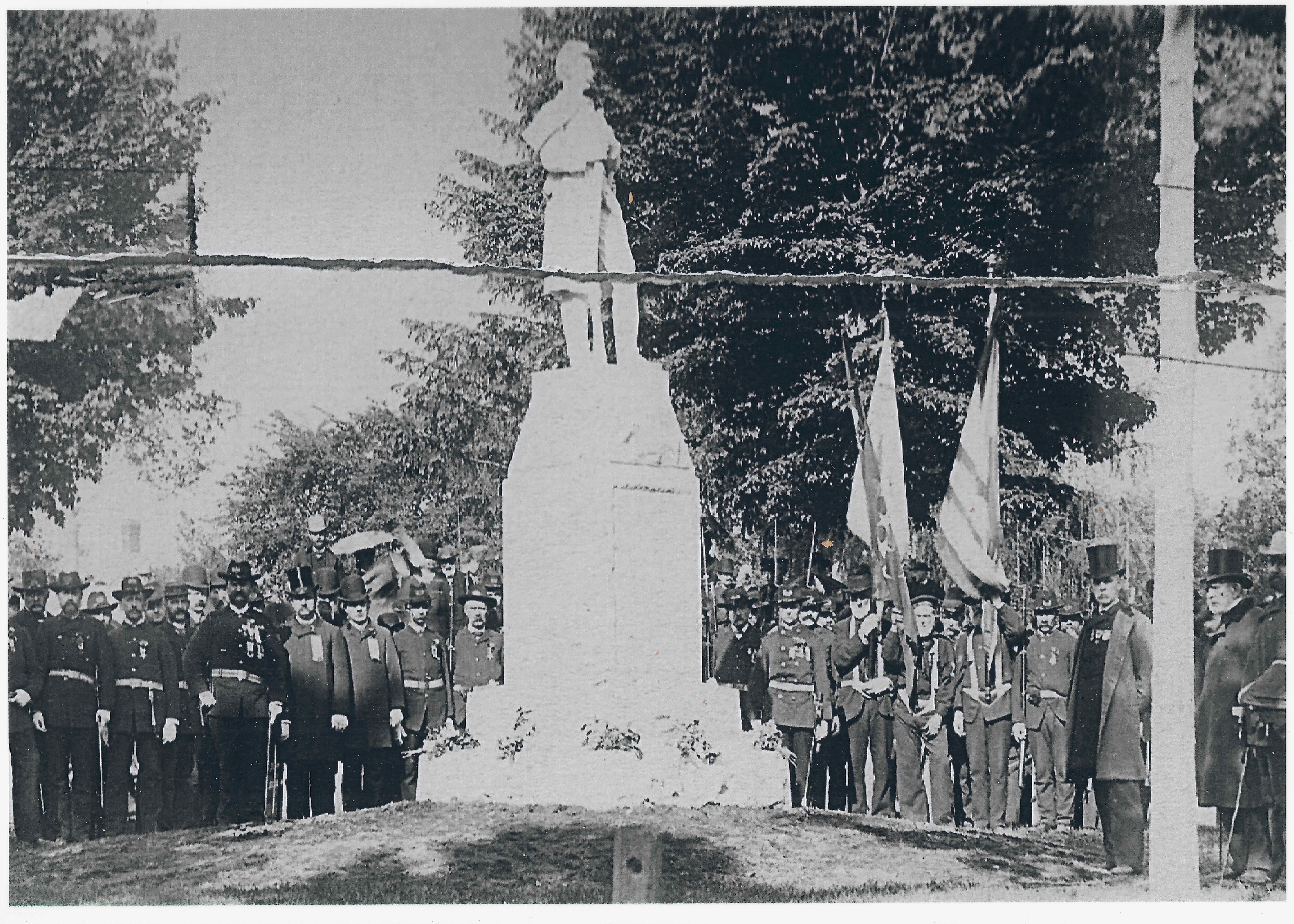
The Soldiers’ Lot. In 1863, the cemetery’s Trustees established this lot to honor Salem residents who had died in the Civil War. The monument erected at its center reads:
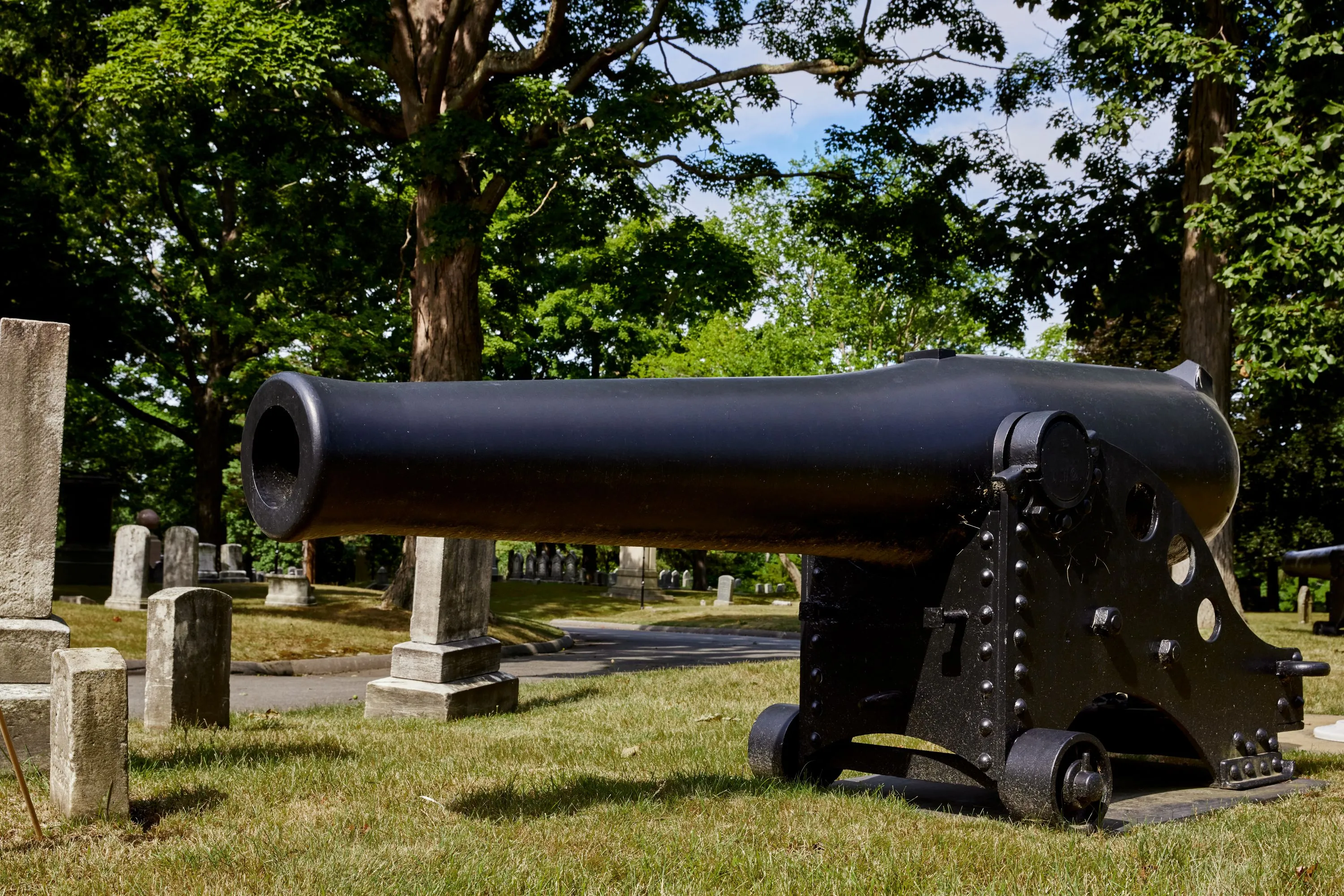
“To the Memory of the Soldiers and Sailors of Salem who gave their lives in Defense of the Union 1861–1865.” With support from the Salem Mayor and the Trustees, the U.S. War Department donated three Dahlgren cannons with Marsilly carriages for display in the Soldiers' Lot. This lot is located along Ridge Avenue, a high point of the cemetery, and is marked with an obelisk.
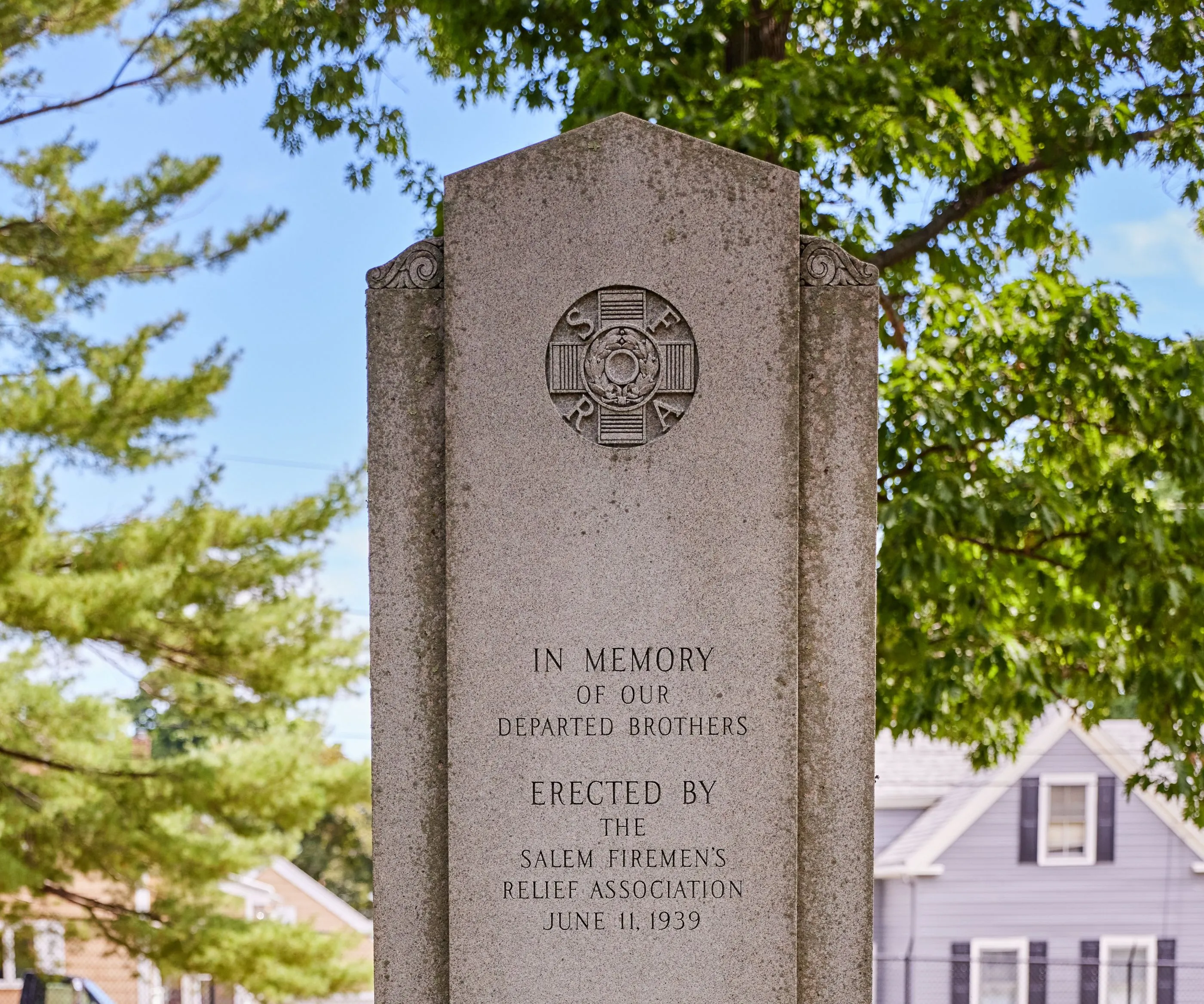
The Firemen’s Lot. In 1889, Lot #1606 on Halidon was donated by the cemetery to the Salem Firemen’s Relief Association for $1.00. It is stipulated that if the Association is ever disbanded, the lot and all its contents shall revert to the Cemetery.
Many prominent citizens of Salem and the North Shore are also buried here, including wealthy merchants, captains, philanthropists, revolutionary soldiers, mayors, and politicians. Many of these family plots are marked by impressive monuments such as the Putman, Peabody, Bertram, and Goodwin lots.
Columbarium & Receiving Tombs
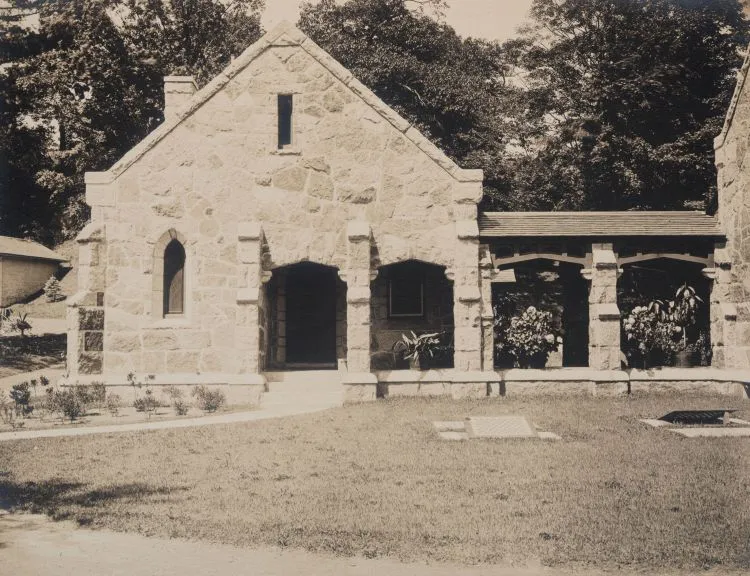
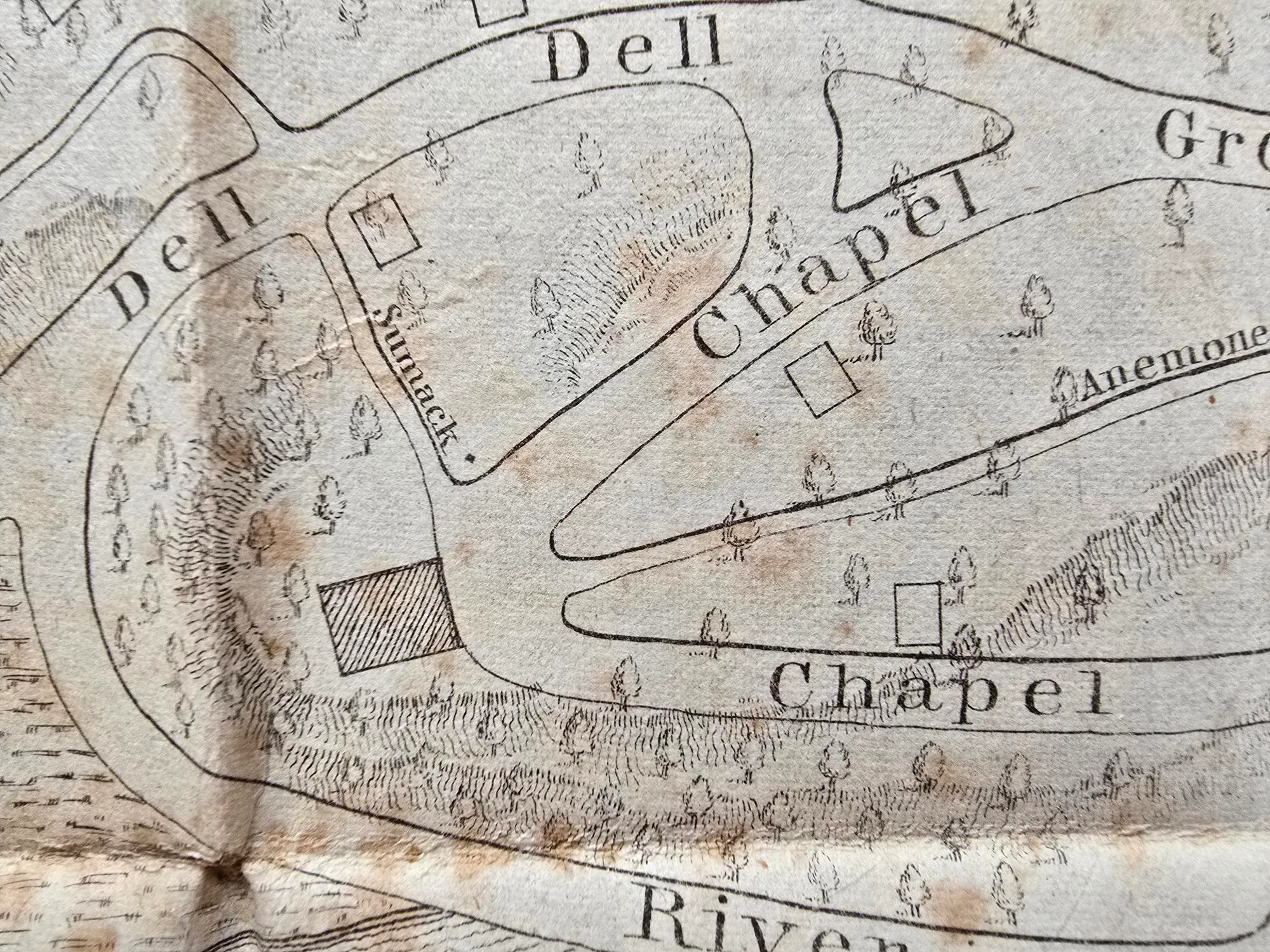
The original plans drawn by Wadsworth in 1839 for the cemetery included a receiving tomb that would be built in June 1840 on Chapel Avenue. Receiving tombs were an essential resource in an era before modern machinery, when frozen ground often made grave-digging impossible. Cemeteries and families alike relied on these facilities, which provided safe, temporary casket storage for a fee until burial was possible.
In July 1852, a second receiving tomb was erected on Highland Avenue, almost directly across from the current Chapel complex. Poor ventilation and substandard construction, however, led to its demolition and replacement with a new receiving tomb built in the exact location.
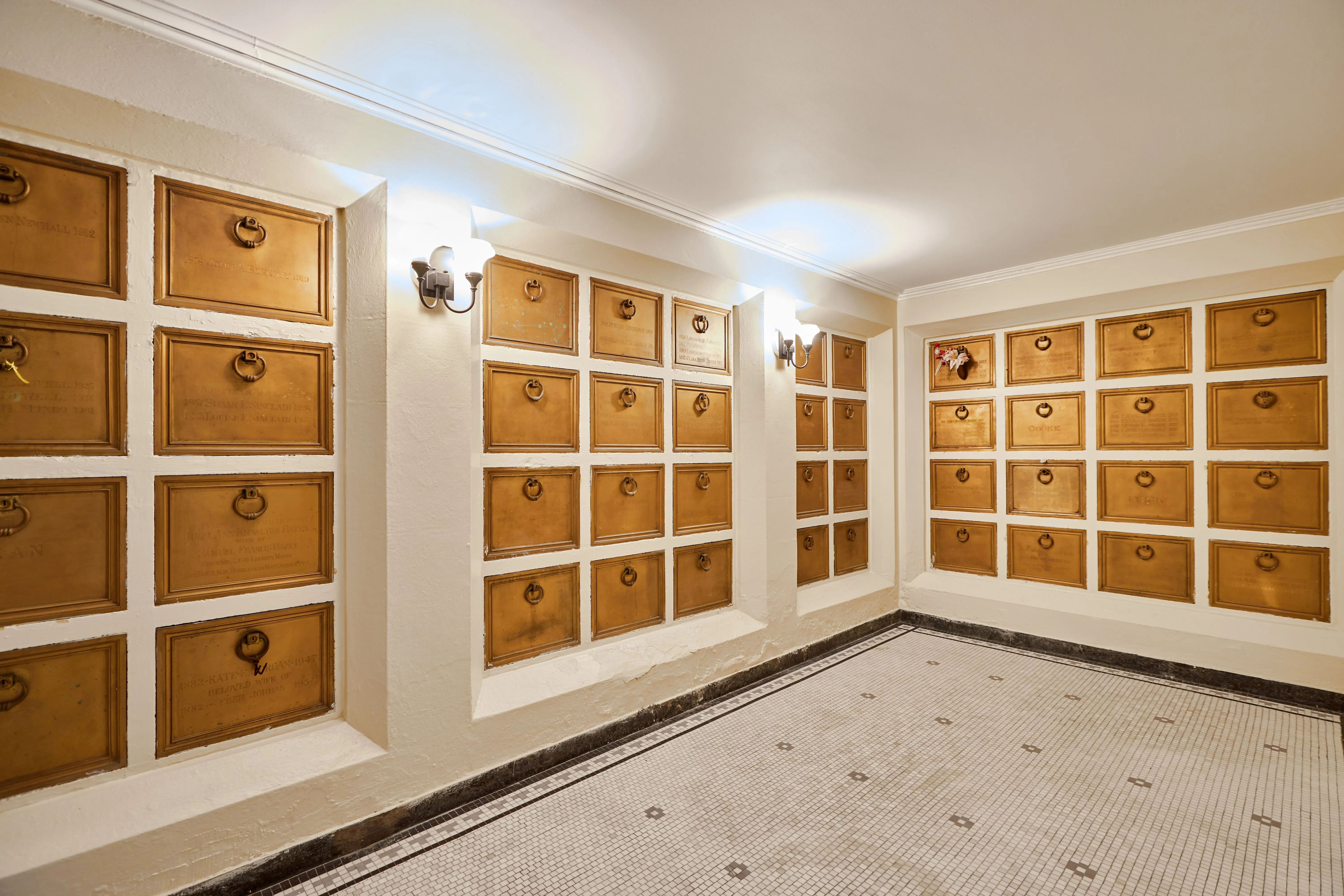
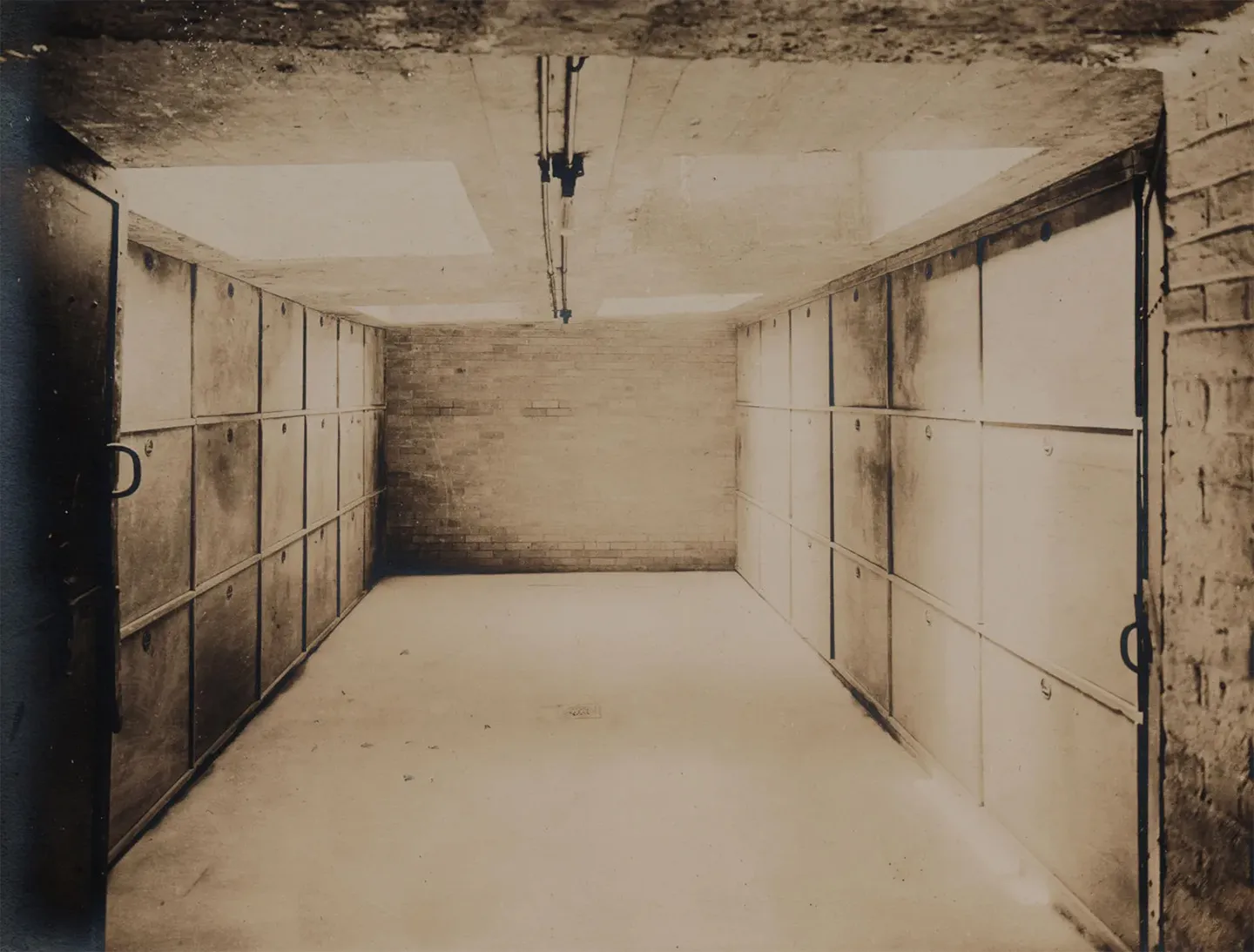
When construction began on the Blake Memorial Chapel in 1902, plans included an underground receiving tomb connected to the Chapel’s basement, intended to replace the Highland Avenue facility. This new tomb could hold up to 50 caskets and featured improved airflow and lighting, including window wells. There was even an elevator that lowered caskets directly from the Chapel above.
In 1917, when the Chapel’s first crematory was installed, this receiving tomb was transformed into the Columbarium that exists today.

Join the Community
Support Harmony Grove and be among the first to hear about our programs.