Charles Lenox Remond
Charles Lenox Remond, a passionate abolitionist and speaker, traveled widely to promote antislavery causes, served as a delegate to the World Antislavery Convention in London, and later recruited for the 54th Massachusetts Infantry, before dying in 1873.
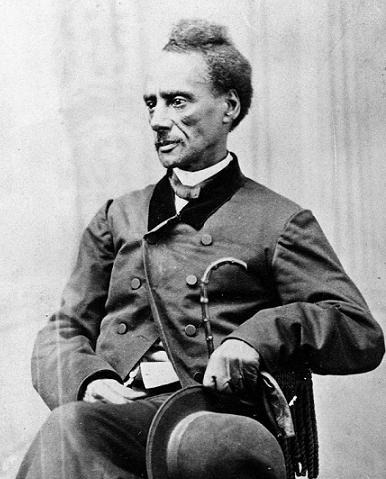

Charles Lenox Remond
Birth: February 1, 1810
Death: December 26, 1873
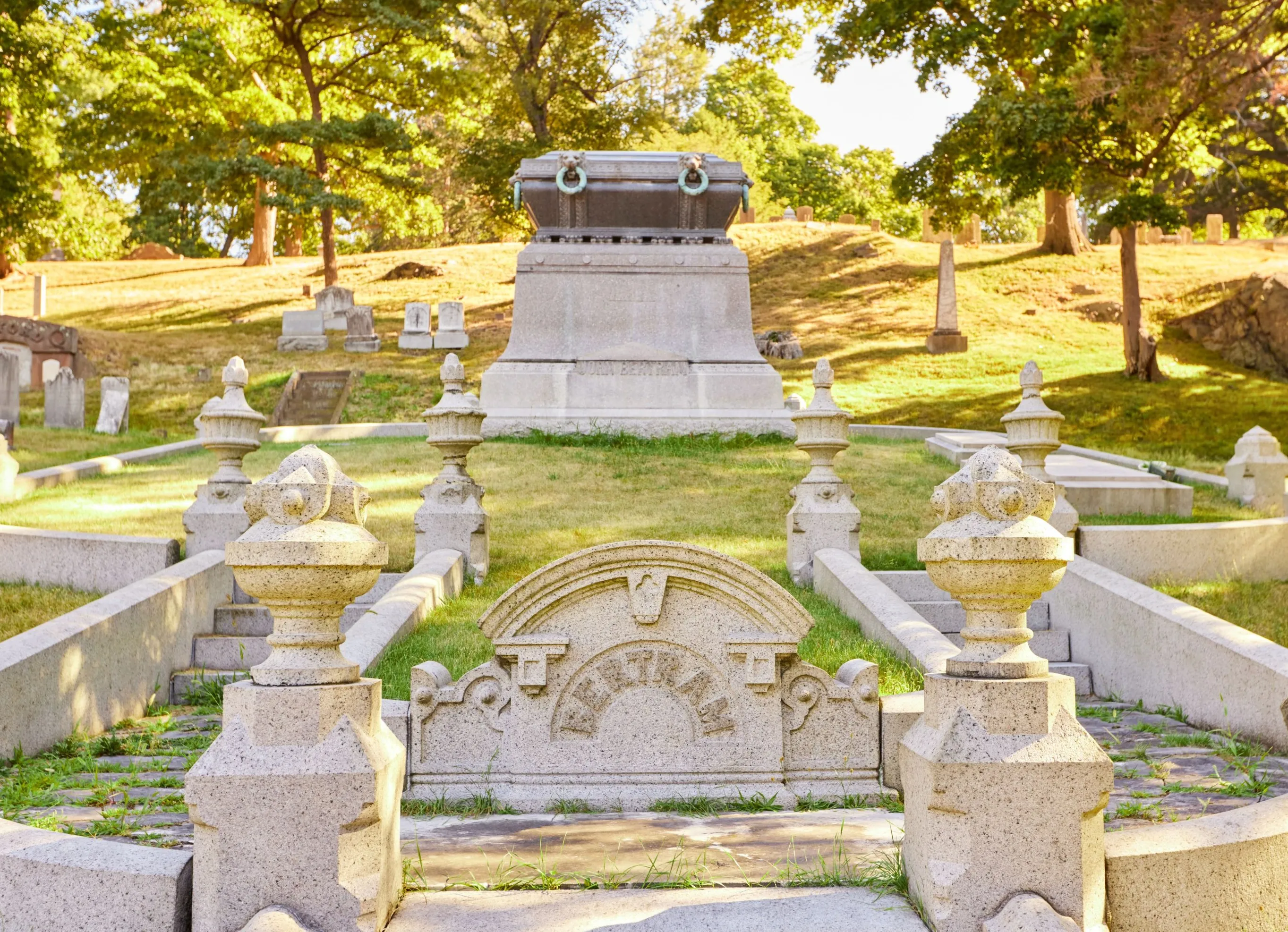
Burial Location: Cypress Ave. Lot 1503, Grave 4
Charles was educated in the Salem schools. As a very young man, he was committed to the abolition of slavery. By 1834, he was a member of the Massachusetts Antislavery Society and also became a life member of the American Antislavery Society. One of his first speeches which took place before the Rhode Island Antislavery Society was so persuasive that the Rhode Island Legislature voted to aid black men in getting jobs as clerks, for which they had previously been ineligible. Charles Remond traveled all over New England giving speeches, most lasting more than 1½ hours. Positive action was often taken after he spoke.
When he was 30, Charles Remond was selected to serve as a delegate from the American Antislavery Society to the World Antislavery Convention in London. He received financial assistance from the Massachusetts Women’s Antislavery Society, where his mother and sisters were members. He had to travel in steerage; one of his fellow delegates accompanied him. When they arrived in London, they discovered that the women delegates could not take their seats on the floor but had to sit in the balcony. Charles Remond and his fellow delegate sat in the balcony with the women from the United States, including Lucretia Mott. For 18 months, Remond travelled around Great Britain, giving lectures and was welcomed by his audiences. When he arrived home, he was forced to ride in the “Jim Crow” car from Boston to Salem.
On February 22, 1842, Charles Remond addressed the Massachusetts legislature, the first Black man to do so. He protested the “Jim Crow” laws and called himself “a member of humanity at large, objecting to the word “colored.”
After the Emancipation Proclamation was signed in January 1863, Remond served as a recruiter for the 54th Massachusetts Infantry Regiment. He was successful in this endeavor and recruited men from Massachusetts and from other states as well. After the war, he was a Boston street lamp inspector. He gave his final lecture in 1867; his health was deteriorating due to tuberculosis. Charles Lenox Remond died at his home in Wakefield Massachusetts on December 22, 1873 and was buried at Harmony Grove on December 26, 1873.
Sources Consulted:
- Article: The Remonds of Salem Massachusetts: A Nineteenth Century Family Revisited. Dorothy Burnett Porter, For the Proceedings of the American Antiquarian Society: Worcester, Massachusetts 1985.
- Internet:
- Cemeteryfind.com: Remond Burial Records, Harmony Grove Cemetery, Salem Massachusetts.
- FindaGrave.com /memorial/59843636/john_remond
- HowOld.com Caroline Remond Putnam Biography
- Noblenet.org/salem/wiki/index.php? title=Remond John& oldid=10688
- Phillips Library Finding Aids: Remond Family Papers: 1823-1869, undated, pem.org/visit/library.
- Wikipedia.org/w/index php? title=Caroline_Remond_Putnam &oldid.1047994427
- Wikipedia.org/w/index php? title=Charles_Lenox_Remond &oldid. 1071128971
- Wikipedia.org/w/index php? title=Sarah Parker Remond &oldid. 1068399573.
Join the Community
Support Harmony Grove and be among the first to hear about our programs.